What is “The Work?”
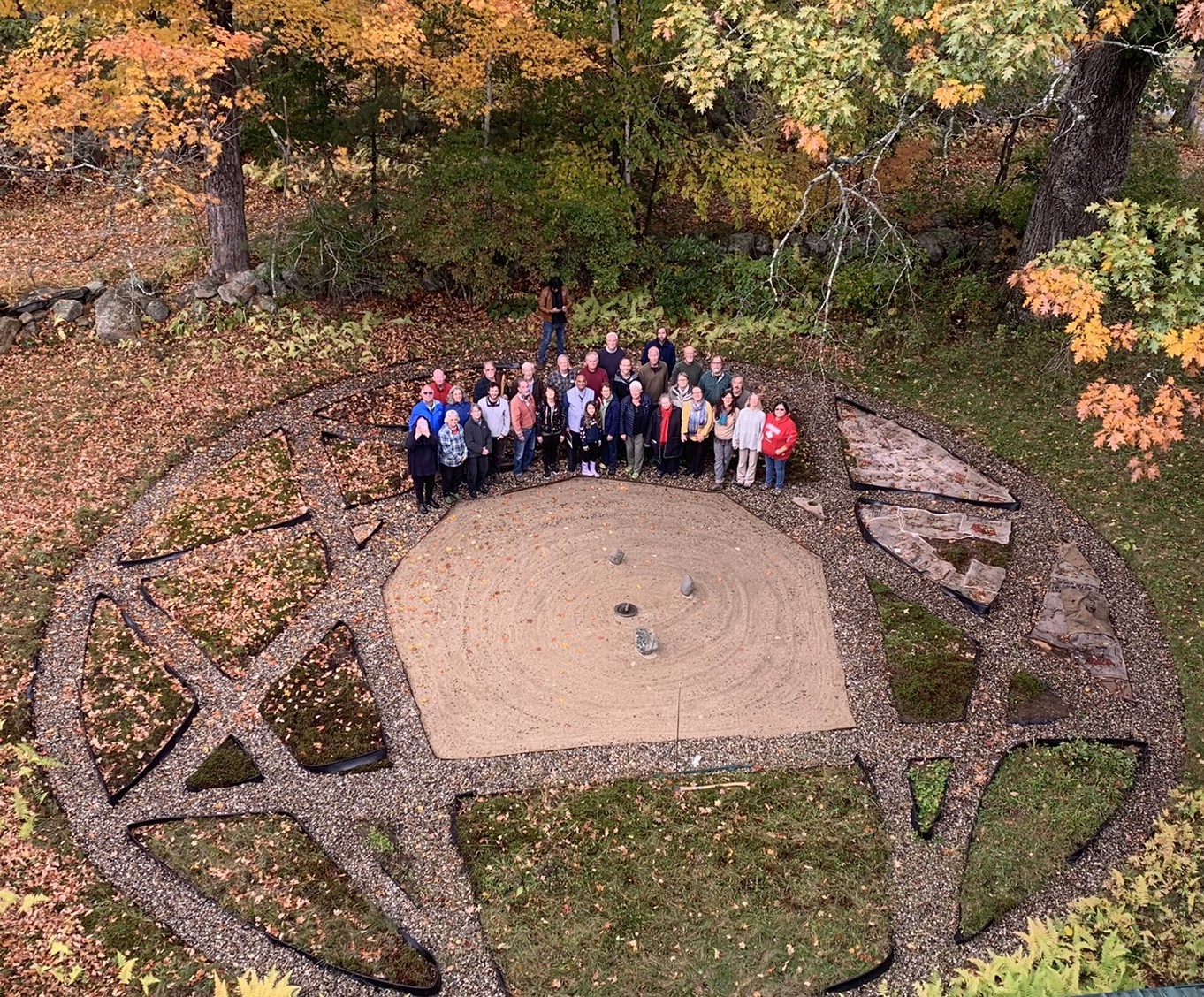 One way to begin to approach this question is to explore the techniques and ideas taught by those who came before us. These can provide a pathway to living our lives in a meaningful way, not only for myself, but within the context of our society, the natural world, our planet, and beyond. Why am I here? What is the purpose of my existence? How can my life become more real?
Why is this work referred to as “The Fourth Way?”
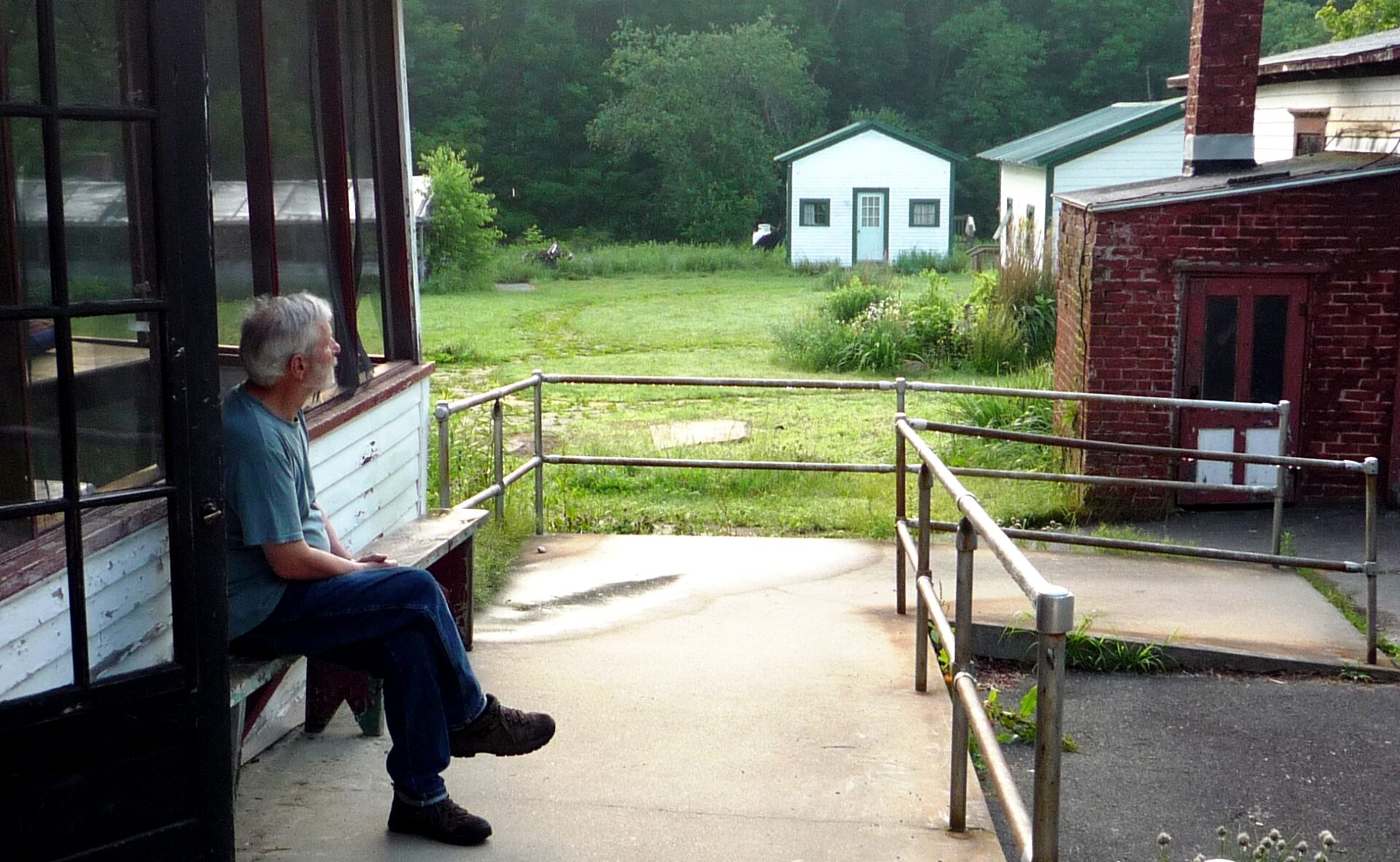 The first three ways refer to the work of the Fakir, the Monk, and the Yogi. Each of these paths focuses primarily on a particular function: on the body (Fakir); feelings (Monk); and the mind (Yogi). The Fourth Way provides an alternative that focuses on harmonious development with a balance of all three.
Rather than having to retreat to a monastery or become an ascetic to take the path, as described in the quote, the Fourth Way takes place in our own lives, working together with others. Gurdjieff did not invent this way—it is rooted in ancient knowledge. He experimented with making the approach accessible for the western world. This is especially important with so many feeling a “crisis of meaning” today.
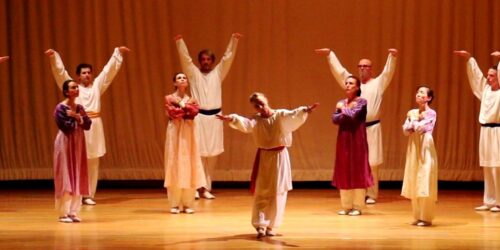
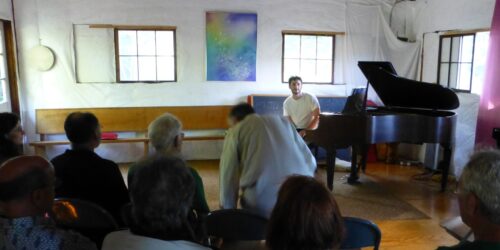
Read about Work ideas and values (II.A). Explore the specific ways we work with the Fourth Way at Camp Caravan, the Gurdjieff Movements, and music.